Why Cuban Bakery Aurora CO Is a Must-Visit Spot
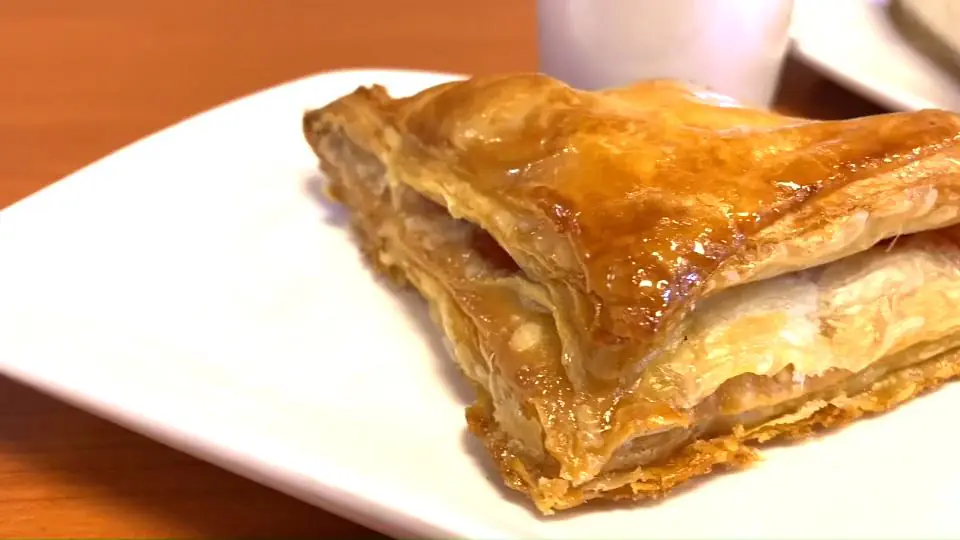
Aurora has become one of those Front Range cities where you can eat well without making a production out of it. The best places are often the ones locals mention casually, almost protectively, as if they are not quite ready to share them with the wider world. A good Cuban bakery falls squarely into that category. It is not just a place to pick up bread or a sweet pastry on the way home. It is a place where memory, routine, hospitality, and craft all show up on the same tray.
That is why a Cuban bakery Aurora CO search is worth taking seriously. If you land in the right spot, you are not getting a novelty experience or a polished imitation of Latin food made for social media. You are stepping into a working bakery with its own tempo, where the coffee is strong, the pastry cases are busy, and the menu tells a larger story than the square footage suggests.
People often underestimate what makes a Cuban bakery Aurora CO bakery memorable. It is rarely one thing. It is the smell of warm dough the second the door opens. It is the person behind the counter who knows which pastry is freshest that hour. It is the balance between sweet and savory. It is the fact that a quick stop turns into twenty minutes because you decide to add coffee, then a sandwich, then one more pastry for later. Great bakeries earn repeat visits through these details, not through gimmicks.
More than a stop for pastries
A Cuban bakery, when it is done properly, is part café, part neighborhood meeting place, part lunch counter, and part comfort food institution. That matters because it changes the way you experience the visit. You are not browsing a generic pastry lineup. You are walking into a food tradition shaped by migration, adaptation, and a sharp sense of what people actually want to eat more than once.
The first thing many visitors notice is range. A strong Cuban bakery does not lean on one category. You may see flaky pastries filled with guava, cream cheese, coconut, or custard sitting next to savory items, sandwiches, croquettes, breads, and espresso drinks. That variety is one reason these places work so well for real life. One person wants breakfast, another wants lunch, somebody else wants coffee and something sweet, and no one leaves disappointed.
There is also a practical beauty to the format. Cuban bakery food tends to be satisfying without feeling overworked. You can grab something quickly and eat well, which is harder to find than it should be. In an era when many casual food spots confuse size with value, a bakery that understands restraint, texture, and timing stands out immediately.
The aroma tells you a lot
Anyone who spends time around bakeries develops a nose for quality. Fresh butter, toasted flour, sugar hitting heat, brewed espresso, roasted pork, ham on the press, all of those scents say something specific. In a Cuban bakery, the fragrance is rarely one-dimensional. It shifts throughout the day. Morning smells like coffee and sweet bread. Late morning starts bringing out the savory side. By lunch, pressed sandwiches and warm fillings change the whole mood of the room.
That sensory layer matters more than people realize. A bakery should smell alive. If the case looks pretty but the room feels flat, the food often follows suit. The places worth visiting have movement to them. Trays come out. Glass cases change. Staff members replenish items. You can tell the business is built around production rather than display.
In Aurora, where residents come from a wide range of culinary backgrounds, a good bakery has to do more than coast on novelty. It has to persuade people who know food. The strongest spots do exactly that. They attract Cuban customers looking for familiar flavors, Latino families with overlapping tastes, and curious locals who may have arrived for coffee and come back for sandwiches. That kind of mixed clientele is usually a very good sign.
Pastries that reward attention
Not every pastry needs to be delicate in the French sense to be excellent. Cuban pastries tend to be more direct, and that is part of their charm. They are built for flavor first. The crust should still matter, though. It should shatter a little, hold structure, and stay distinct from the filling. A guava pastry that leaks into sogginess misses the point. A cream cheese version should have contrast, not just sweetness.
This is where a strong bakery separates itself from an average one. The pastry case is not simply full, it is thoughtful. Fillings should taste like themselves. Guava should retain its tropical brightness. Coconut should read as coconut, not as sugar with texture. Custard should be smooth and lightly rich, not heavy or over-thickened. Even simple sugar toppings should be controlled. Too much, and every item starts to taste the same.
Texture matters just as much as flavor. The best bakeries know that a pastry eaten at 8:00 a.m. And one eaten at 1:30 p.m. May not be at their peak in exactly the same way. That is normal. What matters is whether the bakery manages turnover well and whether the staff can steer you toward what is strongest in the moment. Good counters do this instinctively. Ask what came out recently, and you often get a better answer than you would in a polished restaurant.
Why the coffee is part of the experience
A bakery can have beautiful pastries and still miss the mark if the coffee is forgettable. Cuban coffee culture is too central for that. The coffee should be bold, sweet when appropriate, and served with a sense of purpose. Even customers who usually order large, milk-heavy café drinks are often surprised by how satisfying a smaller, more concentrated coffee can feel alongside a pastry or sandwich.
There is also a social rhythm built around coffee service that gives a Cuban bakery its identity. People linger for a few minutes, talk, regroup, and carry on with the day. It does not require a long sit-down meal to feel meaningful. The interaction itself becomes part of the value. In a city as spread out as Aurora, places that naturally create brief human connection deserve more credit than they get.
If you are new to the format, it helps to think of the coffee not as a separate purchase but as a companion to the food. Sweet pastries become more balanced with strong coffee. Savory sandwiches feel less heavy. Even a short afternoon stop becomes restorative rather than purely transactional.
The sandwich case for showing up hungry
Plenty of first-time visitors make the same mistake. They come in assuming it is a pastry run, then notice the sandwich menu and realize they should have skipped breakfast. Cuban bakeries often excel at sandwiches because they understand the mechanics: bread with structure, fillings that are seasoned rather than overloaded, and enough heat or pressure to pull everything together.
A proper Cuban sandwich should feel tidy but substantial. The bread should compress without collapsing. The pork should contribute depth, the ham salt and body, the pickles brightness, the mustard sharpness, the cheese just enough softness to bind the layers. What sounds simple on paper becomes surprisingly rare in practice. Too many places make the bread too hard, the fillings too wet, or the ratio too thick to eat comfortably.
A bakery setting can actually produce a better sandwich than a general café because bread is not an afterthought. It is the foundation. When the bread is right, the whole sandwich becomes more coherent. The same principle applies to breakfast sandwiches and savory pastries. Freshness is not a luxury here, it is the baseline.
A bakery that reflects the city around it
Aurora has one of the most diverse food scenes in Colorado, and its best neighborhood businesses reflect that diversity without flattening it into trend language. A Cuban bakery in Aurora works because the city supports places with strong culinary identities. Customers are open to trying something new, but they also recognize authenticity when they see it. That creates a healthy kind of pressure. Businesses cannot rely on surface-level branding. The food has to hold up.
This is one reason local bakeries matter more than chain alternatives. Chains are designed for sameness. They remove surprises, which also means they remove character. Independent bakeries, especially those grounded in immigrant traditions, preserve distinctions. They introduce customers to different rhythms of eating and ordering. They teach through repetition rather than explanation.
That may sound lofty for a bakery, but anyone who has watched a neighborhood spot become a fixture knows the effect is real. Students stop in for breakfast before class. Contractors pick up coffee and sandwiches before heading to a job. Families order pastries for birthdays or weekend visits. Office workers swing by for an afternoon reset. Over time, the bakery becomes part of the area’s routine rather than just another restaurant option.
What first-time visitors should look for
If you want to get the most out of a first visit, pay attention to the small indicators that regulars notice right away. The best signs are usually practical rather than decorative.
- A pastry case that shows steady turnover, not just a lot of stock
- Staff who can tell you what is fresh or popular without hesitation
- Bread with a crisp exterior and a light, structured interior
- Coffee served with confidence, not as an afterthought
- A mixed crowd of regulars, workers, families, and first-time guests
None of those points guarantee perfection, but together they usually point to a bakery bakery in Aurora CO that is doing real work. The opposite signs are also easy to spot: stale-looking pastry edges, a menu no one can explain, coffee that tastes generic, and a room that feels more staged than lived in.
The appeal of sweet and savory in one place
One of the smartest things about the Cuban bakery model is that it does not force a choice between sweet and savory. Most people do not want to be locked into one lane all the time. Some mornings call for something flaky and sugary. Other days you want a pressed sandwich and a coffee that wakes up your whole system. A bakery that can do both well earns a much broader place in your weekly routine.
That flexibility also makes it a useful place to bring other people. Groups with mixed preferences are notoriously difficult to satisfy. One person wants dessert at 10:00 a.m., another wants a proper lunch, and a third only cares about the coffee. In a strong bakery, that mismatch stops being a problem. Everyone orders according to appetite rather than according to a narrow menu category.
From a hospitality standpoint, this matters. The places that last tend to be the ones that fit normal life. They are dependable, adaptable, and easy to revisit without the experience going stale. A Cuban bakery, especially in a city like Aurora, has all the pieces to fill that role.
Value is not just about price
People understandably look at cost first, but value in a bakery goes beyond the number on the receipt. Portion size, ingredient quality, freshness, and satisfaction all matter. A slightly higher price for a pastry that was baked properly that morning is often a far better deal than a cheaper item that tastes tired. The same goes for sandwiches. A well-made pressed sandwich that actually fills you up has more value than a larger but forgettable meal elsewhere.
There is also the value of time. Good bakeries are efficient. Even when busy, they tend to move with purpose. You can get in, order, and leave with something genuinely good without dedicating your afternoon to the process. That combination of speed and quality is one reason bakery regulars are so loyal. Once people find a place that respects both their appetite and their schedule, they do not give it up easily.
Ordering with confidence
For anyone walking into a Cuban bakery for the first time, a little strategy helps. Do not overthink it, but do be open to combining categories. A pastry alone may be enough for a light breakfast. If you are hungry, add coffee and a savory item. If you are visiting near lunch, go straight to the sandwiches and tack on something sweet for later. That way you get a broader sense of the bakery’s strengths.
A sensible first order often looks like this:
- One classic sweet pastry, especially guava, cream cheese, or custard if available
- One strong coffee drink
- One savory item such as a pressed sandwich, croquette, or breakfast option
- One extra pastry to take home, because the regret of not doing this is common
That last point comes from experience. Bakeries are one of the few places where future you is almost always grateful when present you buys an extra item. By the time evening rolls around, having something left from a good bakery feels like an unexpectedly smart decision.
Why local food memories stick
Most memorable food experiences are not about luxury. They are about specificity. You remember the bakery where the coffee cut through a cold morning, where the pastry flakes ended up on your sleeve, where the sandwich was better than it had any right to be, where the person behind the counter nudged you toward the right choice. Those are small moments, but they accumulate into loyalty.
A Cuban bakery in Aurora can offer exactly that kind of experience because it sits at the intersection of craft and daily life. It is not trying to be abstractly impressive. It is trying to feed people well, repeatedly, with flavor and warmth and enough consistency to become part of their habits. That is a more difficult achievement than many trend-driven restaurant concepts ever manage.
The practical result is simple. Whether you are a longtime local, a newcomer exploring the city, or someone searching specifically for a Cuban bakery Aurora CO destination, the right bakery gives you more than a meal. It gives you a place worth returning to, which is the highest compliment any neighborhood food business can earn.
A spot worth building into your routine
The strongest endorsement for any bakery is not that it is good once. It is that it becomes part of the week without feeling repetitive. That is where a great Cuban bakery shines. Breakfast works. Lunch works. Coffee breaks work. Picking up pastries for guests works. Grabbing one sandwich for the road somehow turns into carrying out a whole paper bag, and no one at home complains.
That kind of versatility is hard won. It depends on disciplined baking, smart menu choices, and staff who understand that regulars keep a place alive. It also depends on the bakery staying true to what it is. The spots people care about most are rarely the ones chasing every trend. They are the ones getting the fundamentals right day after day.
So if you have been meaning to explore more of Aurora’s food scene, start here. Go early enough to catch the room in motion. Order coffee. Ask what is fresh. Get one sweet thing and one savory thing. Then pay attention to how quickly the visit makes sense. A truly good Cuban bakery does not need much explanation. You taste it, feel the energy of the place, and understand immediately why people come back.
Cuba Bakery & Café
15028 E Mississippi Ave, Aurora, CO 80012
+1 303-752-2822
FAQ About Cuban bakery Aurora CO
What are Cuban pastries called?
Many small Cuban pastries are called pastelitos. They can have sweet or savory fillings, such as guava, cheese, guava and cheese, or seasoned meat. Cuba Bakery & Café lists guava, cheese, guava-and-cheese and beef pastries on its menu. Ask the bakery about current availability and ingredients when ordering.
What are traditional Cuban pastries?
Common Cuban bakery choices include flaky pastelitos filled with guava, cheese or meat. Cuban bakeries may also offer empanadas, breads and desserts alongside coffee. Cuba Bakery & Café lists pastelitos, several empanada fillings, pan Cubano and desserts such as tres leches and bread pudding. Selection can vary, so confirm the day's choices with the bakery.
What makes Cuban bread different?
Cuban bread is known for its light interior and a thin crust that becomes crisp when toasted or pressed. Traditional recipes often use lard, although ingredients vary by baker. It is commonly served as buttered toast or used for Cuban sandwiches. Cuba Bakery & Café lists pan Cubano and tostada on its menu; ask staff about the ingredients in their bread if you have dietary restrictions.
Ends · JASPEREWDY119